Abstract Water Wave: A Modern Design Element for Creative Expression
In the ever-evolving world of graphic design and digital art, abstract water wave patterns have emerged as a powerful visual tool. Combining elements of nature with modern aesthetics, these designs offer a unique blend of fluidity, motion, and structure. Whether used as a background, a decorative element, or part of a larger composition, abstract water waves bring a sense of movement and depth that can elevate any project.
The concept of abstract water wave is rooted in the natural phenomenon of oceanic motion. By translating the ebb and flow of water into geometric or organic forms, designers can create visuals that are both visually engaging and emotionally resonant. These patterns often incorporate smooth curves, gradient transitions, and dynamic lines that mimic the way water moves across a surface.
One of the key characteristics of abstract water wave designs is their versatility. They can be used in a wide range of applications, from web banners and mobile app interfaces to textile prints and architectural backdrops. Their adaptability makes them a popular choice among professionals in various industries, including fashion, interior design, and digital marketing.
Characteristics of Abstract Water Wave Designs
Abstract water wave designs are defined by several distinct features that set them apart from other types of graphics. First and foremost, they emphasize motion and flow. Unlike static images, these designs suggest movement, often through the use of wavy lines, ripples, and layered textures. This creates a sense of dynamism that can draw the viewer’s eye and evoke a feeling of calm or energy, depending on the style.
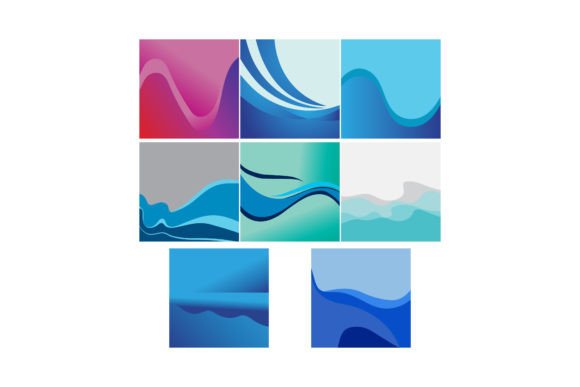
Another defining trait is the use of color and light. Many abstract water wave patterns feature a gradient palette, with soft transitions between shades of blue, aqua, and white. This not only enhances the visual appeal but also contributes to the overall mood of the design. Some variations incorporate transparent layers or subtle highlights to add depth and dimensionality.
Texture and pattern play a significant role in the effectiveness of these designs. Whether created using vector tools or digital painting techniques, the surface of an abstract water wave can be smooth, rippled, or even 3D-like. This level of detail allows for greater customization and ensures that each piece feels unique and original.
Advantages of Using Abstract Water Wave in Design
There are numerous benefits to incorporating abstract water wave elements into creative projects. One of the primary advantages is their ability to enhance visual storytelling. By using flowing shapes and organic forms, designers can communicate ideas related to change, growth, or transformation without relying on text. This makes them particularly useful in branding, advertising, and editorial content.
Another benefit is their aesthetic appeal. The combination of fluid lines and structured geometry creates a balance that is both modern and timeless. This makes abstract water wave designs suitable for a wide range of styles, from minimalist to maximalist. Their adaptability also means they can be easily modified to fit different themes or color schemes.
From a practical standpoint, these designs are highly scalable. Whether used as a wallpaper for a smartphone or a backdrop for a large-scale poster, abstract water wave patterns maintain their clarity and impact at any size. This makes them ideal for both digital and print media, offering flexibility without compromising quality.
Applications of Abstract Water Wave in Various Industries
The use of abstract water wave designs extends beyond traditional graphic design. In the field of interior architecture, for example, these patterns are often used as wall coverings, fabric prints, or decorative elements in living spaces. Their calming effect and natural inspiration make them a popular choice for creating serene and inviting environments.
In the fashion industry, abstract water wave motifs appear on textiles, accessories, and clothing. Designers use these elements to add a touch of sophistication and movement to their collections. The fluidity of the design complements both casual and formal wear, making it a versatile choice for different styles and occasions.
Web developers and UI/UX designers also find value in abstract water wave patterns. When used as background elements, they can enhance the user experience by adding visual interest without overwhelming the interface. These designs are often paired with bold typography or minimalistic layouts to create a cohesive and professional look.
Considerations for Creating and Using Abstract Water Wave Designs
While abstract water wave designs offer many benefits, there are certain considerations to keep in mind when creating or using them. One important factor is the intended audience. Depending on the context, the complexity and color scheme of the design may need to be adjusted to suit the preferences of the target demographic.
Another consideration is the technical aspect of implementation. For digital projects, it’s essential to ensure that the file format and resolution are appropriate for the platform where the design will be displayed. Vector files are often preferred for scalability, while high-resolution raster images may be necessary for print applications.
Finally, it’s important to maintain a balance between creativity and functionality. While abstract water wave designs can be highly artistic, they should still serve a purpose within the broader design framework. This means considering how the element interacts with other components, such as text, buttons, or navigation menus.
Exploring the Future of Abstract Water Wave in Design
As design trends continue to evolve, the role of abstract water wave elements is likely to expand. With advancements in digital tools and software, creators now have more options than ever to experiment with new forms, textures, and animations. This opens up exciting possibilities for integrating abstract water wave designs into interactive media, augmented reality, and immersive experiences.
Additionally, the growing emphasis on sustainability and eco-conscious design may further influence the use of abstract water wave patterns. As consumers become more aware of environmental issues, there is a rising demand for visuals that reflect harmony with nature. Abstract water wave designs, with their connection to the ocean and natural elements, align well with this trend.
Ultimately, the enduring appeal of abstract water wave designs lies in their ability to bridge the gap between the organic and the artificial. Whether used in a digital artwork, a fashion collection, or a public space, these elements continue to inspire and captivate audiences around the world.