Marble: A Timeless Decorative Art
Marble has long been admired for its elegance and natural beauty. This unique art form, known as marbling or marbleizing, creates intricate patterns that mimic the veining found in real marble. The process involves floating pigments on a liquid surface and using tools to shape the colors into stunning designs. Each piece is one-of-a-kind, making it a popular choice for artists, designers, and creatives who value originality.
The origins of marbling trace back to the 12th century, where it was used in bookbinding, wallpaper, and even clothing. Today, this technique continues to inspire modern creators, offering a versatile way to add visual interest to various materials. Whether you're looking to enhance your digital projects or explore traditional methods, marble provides endless possibilities.
Understanding the Marble Effect
The marble effect is more than just a visual style—it's a method of creating depth, texture, and movement in design. By blending colors and manipulating them on a liquid surface, artists can achieve mesmerizing patterns that seem to flow across the material. This effect is especially popular in digital art, where it adds a sense of sophistication and uniqueness to images.
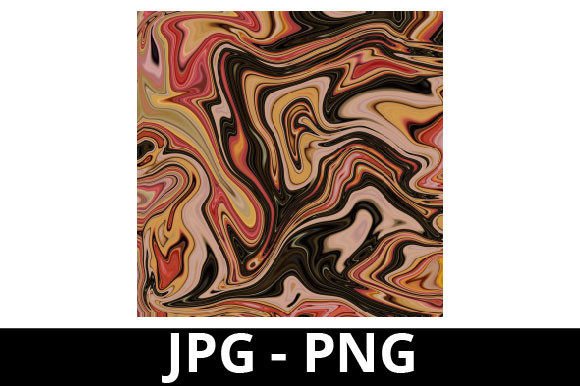
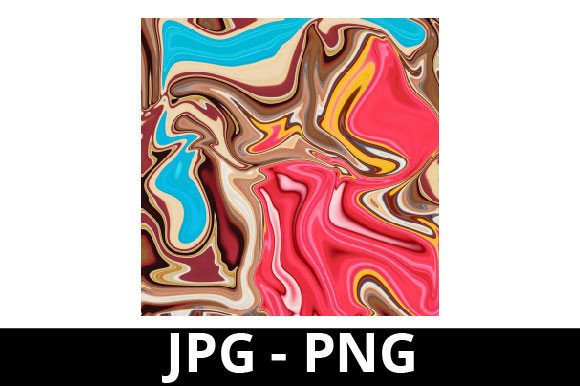
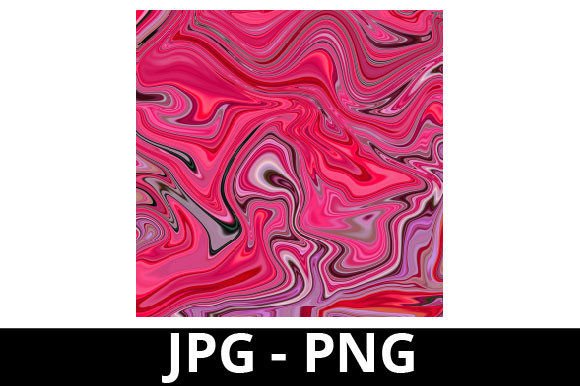
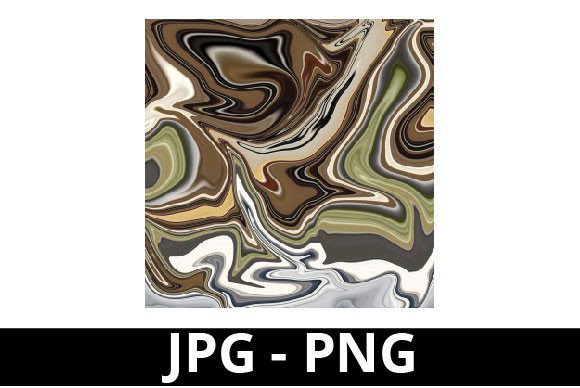
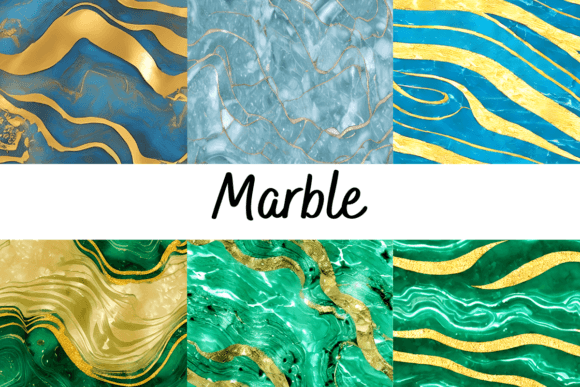
One notable example is a digital marbled painting bundle featuring emerald green, gold, and blue tones. This collection includes six high-quality PNG images that capture the essence of the marble effect. These images are ideal for use in graphic design, web development, or personal projects that require a touch of artistic flair.
Key Characteristics of Marble
Marble is distinguished by its natural patterns and rich color variations. Unlike uniform designs, each marble piece has a distinct look, making it perfect for those who want to stand out. The technique allows for creative freedom, enabling artists to experiment with different color combinations and textures.
One of the strengths of marble is its adaptability. It can be applied to a wide range of surfaces, from paper and fabric to digital canvases. This versatility makes it valuable in both traditional and modern settings. Additionally, the handmade nature of marbling adds an element of authenticity that digital prints often lack.
Practical Applications of Marble
Marble isn't just for art galleries or historical artifacts—it has many practical uses in everyday life. In the professional world, designers use marble effects to create eye-catching logos, backgrounds, and branding elements. For businesses, incorporating marble into marketing materials can help establish a premium image and attract attention.
In education, marble can serve as a tool for teaching color theory, texture, and design principles. Teachers might use marbled paper in art classes to demonstrate how colors interact and blend. This hands-on approach encourages creativity and helps students develop a deeper understanding of visual arts.
Marble in Digital and Creative Environments
Digital marbling has opened new doors for artists and designers. With tools like the marble effect bundle, creatives can easily incorporate this style into their work without the need for traditional techniques. These digital images are perfect for web design, social media content, or printable art, offering a quick and effective way to add visual interest.
For freelancers and entrepreneurs, using marble effects can elevate their projects and set them apart from competitors. Whether it's a website background, a logo, or a product packaging design, the marble effect adds a level of sophistication that resonates with audiences.
Benefits of Using Marble
There are several benefits to incorporating marble into your work. From a usability perspective, the unique patterns can help differentiate your brand or project in a crowded market. In terms of appearance, marble adds a sense of luxury and refinement that can enhance the overall aesthetic of any design.
From a communication standpoint, the marble effect can evoke emotions and convey a sense of timelessness. This makes it a powerful tool for storytelling in visual media. Additionally, the dynamic nature of marble patterns can engage viewers and encourage interaction, whether in print or digital formats.
Choosing the Right Marble Effect
When selecting a marble effect, consider the purpose and context of your project. For digital use, high-resolution PNG files are ideal, as they maintain clarity and transparency. If you're working on a physical project, traditional marbling techniques may offer a more authentic experience.
It's also important to think about the color palette. Emerald green, gold, and blue tones, for example, create a luxurious and elegant look that works well in both modern and classic settings. Experimenting with different combinations can help you find the perfect match for your vision.
Implementing Marble in Your Work
Whether you're a designer, marketer, or hobbyist, integrating marble into your workflow can bring new energy to your projects. Start by exploring different styles and techniques, and don't be afraid to mix traditional and digital approaches. The key is to find what works best for your goals and audience.
For those new to marbling, starting with a pre-made bundle like the emerald green, gold, and blue set can be a great way to get started. These images provide a solid foundation while still allowing room for creativity and customization.