Radial Gradient Color Perfect for Backgr: A Versatile Design Solution
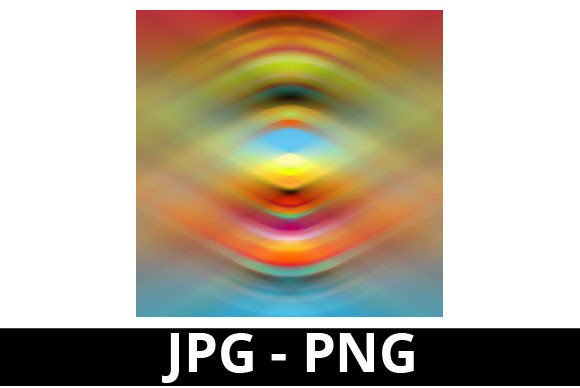
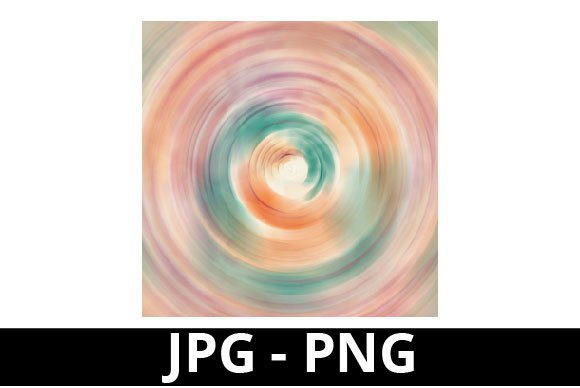
Radial gradient color perfect for backgr is more than just a visual trend—it's a practical tool that can enhance your digital and physical spaces. Whether you're designing a website, creating a social media post, or looking for a unique wallpaper, radial gradients offer a dynamic and modern aesthetic. Their ability to blend colors smoothly from a central point makes them ideal for adding depth, focus, and visual interest.
From bold, colorful designs to subtle, minimalist backgrounds, radial gradients can be tailored to suit a wide range of needs. The ZIP folder containing these gradients includes various formats like JPG, PNG, and banners in different styles—white, decor, move, multicolor, and more. This variety ensures that there's something for every user, whether they're a designer, a business owner, or someone looking to personalize their space.
Where and When to Use Radial Gradients
Radial gradients are incredibly versatile and can be used in multiple scenarios. For example, if you're a content creator, you might use a vibrant radial gradient as a background for your YouTube thumbnails or Instagram posts. The gradient adds visual appeal without distracting from the main content. Similarly, entrepreneurs or small business owners might use a clean, modern radial gradient as a backdrop for their website or marketing materials, helping to create a professional and cohesive brand image.
In an educational setting, teachers or educators could use radial gradients as backgrounds for presentations or digital lesson plans. The soft blur or bokeh effect can help draw attention to key points while keeping the overall design visually engaging. For hobbyists or artists, radial gradients can serve as inspiration for digital illustrations or as a base for creative projects, offering a foundation that’s both flexible and visually striking.
Real-World Use Cases for Radial Gradients
Consider a graphic designer working on a new product launch. They might choose a bright, multicolor radial gradient as a background for promotional materials. The gradient not only adds energy but also helps the text stand out, making the message more impactful. In contrast, a minimalist designer might opt for a soft, grey or blue radial gradient for a website or app interface, creating a calm and focused environment for users.
For someone looking to refresh their home or workspace, a radial gradient wallpaper could provide a fresh, modern look. Whether it's a swirling, abstract pattern or a simple circular design, the right gradient can transform a room into a more inviting and inspiring place. Similarly, a marketer might use a radial gradient as part of a social media campaign, leveraging its visual appeal to capture attention and drive engagement.
Who Benefits from Radial Gradient Color Perfect for Backgr?
Radial gradients aren't just for designers—they can benefit a wide range of users. Freelancers, for instance, might use them as backgrounds for their portfolio websites, helping to showcase their work in a visually appealing way. Bloggers or publishers could incorporate radial gradients into their blog layouts, making their content more engaging and easier to read.
Small business owners looking to create a strong online presence might find radial gradients useful for branding purposes. A well-chosen gradient can help differentiate their brand from competitors, creating a memorable and distinctive identity. Educators or students might use radial gradients in digital presentations or study materials, adding a touch of creativity without overwhelming the content.
What to Consider Before Using Radial Gradients
Before applying a radial gradient, it's important to consider the context and purpose. For example, a bright, colorful gradient might work well for a creative project but could be distracting in a professional setting. Similarly, a blurred or bokeh-style gradient might be perfect for a background image but may not be suitable for a high-contrast design where clarity is essential.
Users should also think about the format and resolution of the gradient. High-quality JPG or PNG files ensure that the gradient looks sharp and clear, especially when used in print or large digital displays. Additionally, considering the color scheme of the surrounding elements is crucial—radial gradients should complement, not clash with, other design choices.
How to Choose the Right Radial Gradient
When selecting a radial gradient, start by identifying the mood or message you want to convey. A dynamic, swirling gradient might be ideal for a tech startup or a digital art project, while a simple, clean design could work better for a corporate website or a professional presentation. Experimenting with different styles, such as line art, speed effects, or decorative patterns, can help you find the perfect match for your needs.
It's also helpful to look at examples of how others have used radial gradients. Social media platforms, design blogs, and online marketplaces often feature real-world applications that can inspire your own choices. By analyzing what works in different contexts, you can make more informed decisions about which gradients will best serve your goals.
Final Thoughts on Radial Gradient Color Perfect for Backgr
Radial gradient color perfect for backgr is more than just a design element—it's a powerful tool that can elevate your work, enhance your space, and add visual interest to your projects. Whether you're a creator, a business owner, or someone looking for a fresh new look, there's a radial gradient that can meet your needs. With the right approach and considerations, you can unlock the full potential of this versatile design choice.