Ethnic Southwest Border Pattern: A Timeless Design for Modern Creations
Understanding the Ethnic Southwest Border Pattern
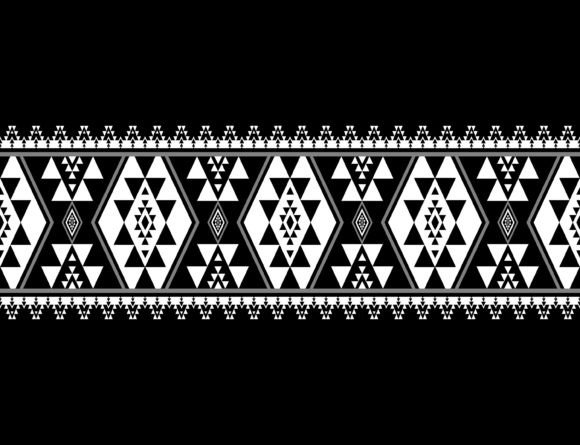
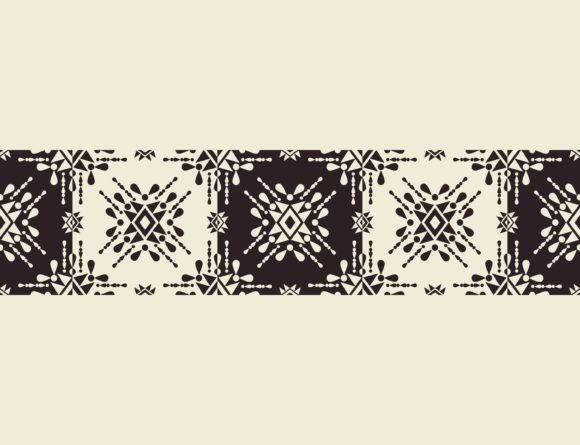
The Ethnic Southwest Border Pattern is a versatile and culturally rich design element that draws inspiration from indigenous art forms, particularly those of the Navajo and Aztec peoples. Characterized by bold geometric shapes, contrasting black and white tones, and intricate symmetry, this pattern brings an authentic ethnic flair to any project it adorns.Why This Pattern Appeals to a Broad Audience
From beginners experimenting with home décor to professionals crafting high-end textiles, the Ethnic Southwest Border Pattern has something to offer everyone. It's especially popular among:- Entrepreneurs launching niche product lines
- Marketers targeting culturally conscious consumers
- Bloggers sharing DIY and design tips
- Freelancers creating custom graphics for clients
- Small business owners enhancing store branding with traditional motifs
Mistake 1: Overlooking Cultural Context
One of the most important aspects of using any ethnic design is understanding its origins and meaning. The Aztec and Navajo patterns often carry symbolic weight—representing nature, community, or spiritual beliefs. Misusing or misinterpreting these elements can be seen as disrespectful or inaccurate.
Better Approach: Research the cultural background of the patterns you're using. Speak with experts, read credible sources, or consult artisans familiar with the traditions. This will help ensure your use is both respectful and informed.
Mistake 2: Choosing Low-Resolution Files
When sourcing vector files like the Ethnic geometric black and white pattern, resolution is key. Many users unknowingly download low-quality images that pixelate when scaled up, especially if they plan to print on large formats such as carpets or banners.
Better Approach: Always verify the file format and resolution. For professional-grade output, look for high-resolution files such as JPG at 8000x2000 pixels or scalable vector formats like .eps. These allow for crisp printing at any size and maintain clarity across various applications.
Mistake 3: Neglecting Color Balance and Contrast
Though the pattern is typically rendered in black and white, some designers attempt to recolor it without considering the balance of light and dark elements. This can disrupt the original intent and aesthetic of the design.
Better Approach: Stick to monochrome versions unless you have a clear reason and understanding of how color changes affect the overall composition. If experimenting, test subtle variations in grayscale before committing to full-color alterations.
Mistake 4: Using the Pattern Without Proper Scaling
Many creators apply the Ethnic Southwest Border Pattern directly from digital templates without adjusting for the intended physical medium. This can result in disproportionate visuals, especially when used for textile borders or wall runners.
Better Approach: Before finalizing your layout, simulate the pattern on the actual material scale. Use software tools to adjust line thickness and spacing so that the pattern remains legible and impactful even after scaling down or up.
What to Consider Before Downloading or Purchasing
If you're planning to use an Ethnic Southwest Border Pattern in your next project, there are several factors to evaluate beforehand. These considerations can save you time and money while ensuring the pattern serves its purpose effectively.Check File Compatibility and Format
Not all projects require the same file type. While JPG files are great for digital displays and basic prints, .eps vector files are essential for scalable, high-quality outputs. Make sure the provider includes multiple options if you need flexibility across platforms.
Verify Seamless Repetition
Seamless patterns are crucial for large-scale applications. If the pattern doesn’t repeat correctly, it may create visible breaks or distortions when tiled. Always preview the pattern in a tiling view before purchasing or downloading.
Consider Application-Specific Requirements
Depending on whether you're using the pattern for carpets, fabrics, or decorative runners, certain specifications might matter more than others. For instance, fabric printers may require CMYK color profiles, while digital marketers should focus on RGB for web use.
Review Licensing and Usage Rights
Some Ethnic Southwest Border Patterns are free for personal use but require commercial licenses for resale or mass production. Failing to check these terms could lead to legal issues down the line.
Tip: Always read the licensing agreement carefully and contact the seller if anything is unclear. Better yet, choose providers known for transparent and flexible usage policies.
1. Use It as a Frame or Accent
The pattern works exceptionally well as a border or accent rather than a full background. This helps maintain focus on the main content while still benefiting from the ethnic charm of the design.
2. Combine with Other Elements Thoughtfully
While the pattern stands out on its own, pairing it with complementary textures or colors can elevate the final product. For example, a black and white geometric pattern on a natural jute rug looks stunning when paired with earthy tones or neutral palettes.
3. Test Print Quality
Before producing large quantities, always do a sample print. Especially for textiles and flooring, seeing the pattern in real life can highlight issues that aren't obvious on screen.
4. Optimize for Digital and Print Media
If your goal is to use the pattern online or in print, optimize accordingly. For websites, compress the image without sacrificing quality. For printed materials, ensure proper bleed and resolution settings.
Fabric Printing
Use the pattern as a base for ethnic-inspired clothing or home textiles. A simple cotton throw with a southwest border pattern adds warmth and style to any room. Ensure the pattern aligns with the fabric grain for the best effect.
Carpet and Rug Designs
Incorporate the pattern into handmade or machine-made rugs to give them a unique identity. The geometric nature of the pattern ensures durability and clarity, even when woven into complex textures.
Wall Decor and Tapestries
Hanging a runner-style tapestry with the Ethnic Southwest Border Pattern can instantly transform a space. Choose high-quality materials and accurate printing to preserve the design’s integrity and longevity.
Graphic Design and Branding
Designers often use these patterns in logos, packaging, or marketing materials to evoke a sense of tradition and authenticity. A seamless square geometric pattern can wrap around products beautifully without appearing fragmented.