Exploring Ethnic Embroidery Border Pattern in Design Workflows
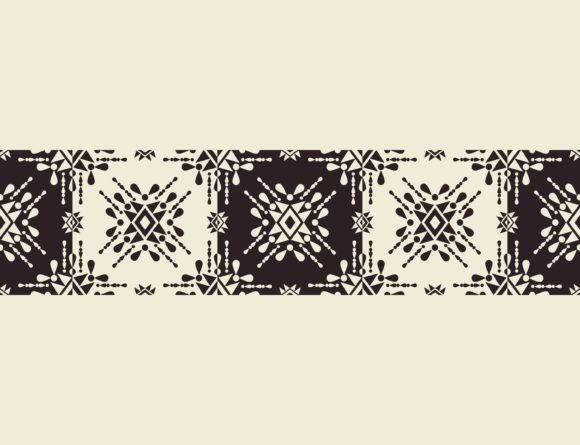
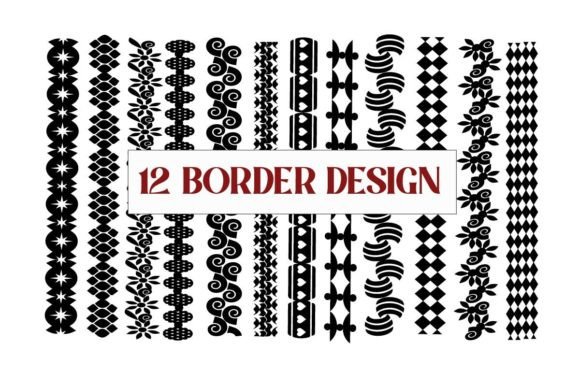
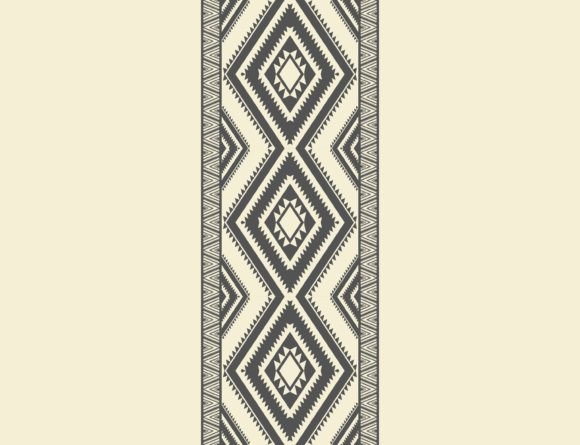
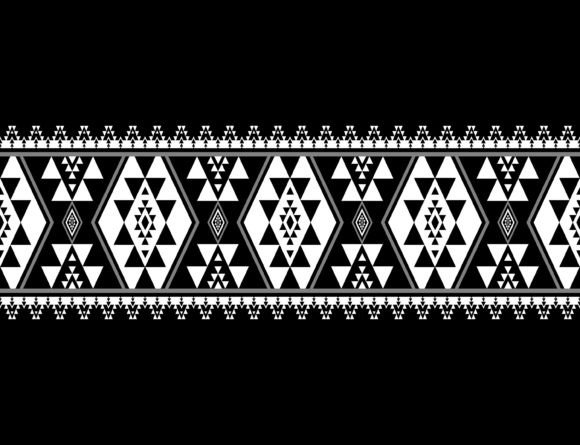
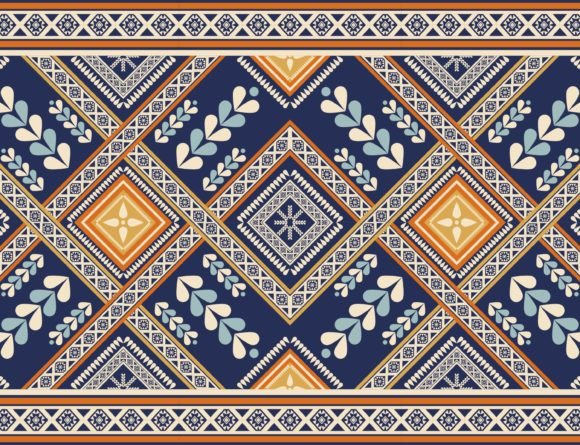
Ethnic embroidery border pattern is a rich and intricate design element that brings cultural heritage and artistic expression into modern applications. These patterns, often derived from traditional crafts, feature geometric shapes, overlapping elements, and vibrant color schemes that can enhance textiles, decorative items, and digital assets. Understanding how to integrate these patterns into your workflow can elevate both the aesthetic and functional aspects of your projects.
Understanding Ethnic Embroidery Border Pattern
At its core, an ethnic embroidery border pattern is a recurring motif that reflects the artistic traditions of specific cultures. These designs are often characterized by precise geometry, symbolic motifs, and a balance of colors that create visual harmony. When applied as a border, they frame the main content or design, adding depth and cultural context.
The use of such patterns extends beyond mere decoration. In textile design, for instance, they can serve as a signature element that distinguishes a product in the market. Whether you're creating a runner, a carpet, or a rug, the right border pattern can set the tone and reinforce the brand identity.
Where Ethnic Embroidery Border Pattern Fits in the Workflow
Integrating ethnic embroidery border patterns into your design process can occur at multiple stages. Before starting a project, you might research and select a pattern that aligns with the intended purpose and audience. During the development phase, you could refine the pattern to fit specific dimensions or materials. After completion, you might review the final output to ensure consistency and quality.
For example, if you're designing a custom rug, you might begin by selecting a border pattern that complements the central motif. You would then adjust the pattern to match the size and layout of the rug. Once the design is finalized, you could test it on different materials to ensure durability and visual appeal.
Practical Implementation Tips
- Research Cultural Context: Understand the origins and significance of the pattern to avoid misrepresentation and ensure authenticity.
- Test for Scalability: Ensure the pattern works well at different sizes, especially when used in large formats like carpets or rugs.
- Consider Material Compatibility: Some patterns may require specific printing techniques or fabric types to maintain their integrity.
- Focus on Color Harmony: Use color theory to select hues that complement each other and enhance the overall design.
How Ethnic Embroidery Border Pattern Interacts with Other Tools
When working with ethnic embroidery border patterns, they often interact with other design tools and resources. For instance, vector graphics software like Adobe Illustrator allows for precise manipulation of geometric shapes, making it ideal for creating seamless patterns. Image editing tools such as Photoshop can help refine details and adjust color balance.
Additionally, file formats play a crucial role. The EPS format is commonly used for scalable vector graphics, while JPG is suitable for high-resolution raster images. Knowing the appropriate file size—such as 5000 x 3333 pixels—ensures that the pattern maintains clarity when printed or displayed digitally.
Collaboration with other designers, artisans, or manufacturers can also influence the application of these patterns. Clear communication about the intended use and technical specifications helps prevent misunderstandings and ensures that the final product meets expectations.
Workflow Examples and Use Cases
One practical use case involves a small business owner looking to create a line of handwoven rugs. By incorporating ethnic embroidery border patterns, they can differentiate their products in a competitive market. The workflow might involve researching traditional patterns, selecting a few options, and testing them on sample fabrics before mass production.
Another scenario could be a graphic designer working on a branding project. They might use an ethnic border pattern as part of a logo or packaging design to evoke a sense of tradition and craftsmanship. This requires careful planning to ensure the pattern aligns with the brand’s visual identity and messaging.
In educational settings, instructors might use these patterns to teach students about cultural art forms and design principles. By analyzing the structure and symbolism of the patterns, students gain insights into both historical and contemporary design practices.
Factors to Consider for Long-Term Use
When planning to use ethnic embroidery border patterns long-term, several factors should be considered. Preparation is key—this includes gathering accurate references, understanding the cultural background, and ensuring the design is versatile enough for different applications.
Usability is another important aspect. A well-designed pattern should be easy to implement across various mediums without losing its visual impact. Consistency in color, scale, and style helps maintain a cohesive look across different products or projects.
Quality control is essential, especially when working with physical materials. Regular checks during production can identify issues early and ensure that the final output meets the desired standards. For digital assets, maintaining high resolution and proper file formatting prevents degradation over time.
Conclusion: Integrating Ethnic Embroidery Border Pattern Effectively
By understanding the role of ethnic embroidery border patterns in design workflows, you can make informed decisions that enhance both the aesthetics and functionality of your work. Whether you're a designer, artisan, or entrepreneur, integrating these patterns thoughtfully can add value to your projects and connect them to a broader cultural narrative.